The decision of where to educate a child is one of the most significant choices a family will make. In recent years, an increasing number of families have made the conscious decision to move away from traditional public education models. According to EDChoice, three in five parents would choose a school type other than public school, highlighting a growing shift in educational preferences. Parents are actively seeking environments that better align with their child’s unique academic, social, and emotional needs. In this article, we explore the primary factors driving families to transition their children to private schools.
Seeking Smaller Class Sizes and Individualized Attention
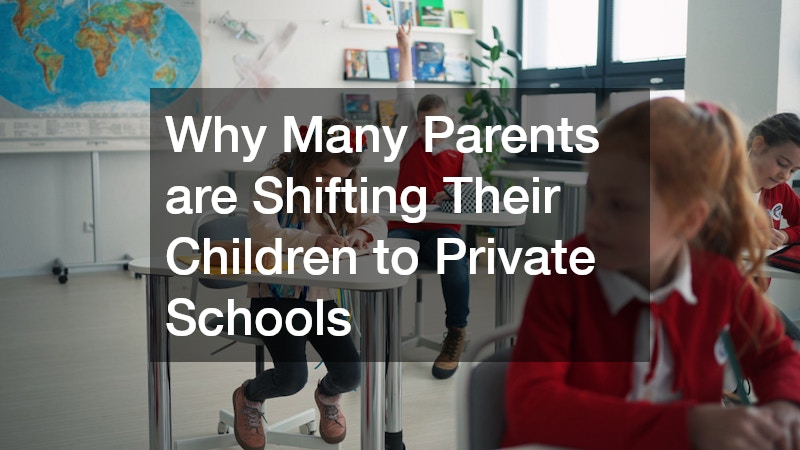
One of the primary reasons parents transition to private schools is the desire for smaller student-to-teacher ratios. In public institutions, large class sizes can make it challenging for educators to cater to every individual learning style. Smaller class environments in private schools allow teachers to tailor instruction, identify learning gaps early, and provide dedicated support. This personalized approach ensures that children receive the guidance necessary to thrive academically and build confidence.
Pursuing Advanced Curriculum Options and Academic Rigor
Parents often look for educational environments that offer enhanced academic challenges and specialized programs. Many private schools provide robust curricula, including advanced placement courses, specialized STEM pathways, fine arts instruction, and immersion language programs. This focus on academic excellence prepares students thoroughly for higher education and future career pathways, giving them a competitive edge in an evolving global economy.
Prioritizing Safe Environments and Stronger School Communities
Safety, positive peer dynamics, and strong community values are top priorities for modern families. Many parents believe that private schools offer tighter security measures, clearer behavioral expectations, and more close-knit communities. When students feel safe, respected, and supported by both peers and staff, they are far more likely to engage meaningfully in their learning and extracurricular activities.
Accessing Specialized Support and Extracurricular Opportunities
Beyond core academics, private schools often provide a wealth of extracurricular opportunities and specialized resources. Whether a child requires tailored learning support, excels in competitive athletics, or wants to explore niche creative arts, these institutions frequently have the flexibility and funding to nurture diverse interests.
The growing preference for alternative educational options underscores a fundamental shift in how families view education. By offering lower student-to-teacher ratios, rigorous academic programs, safe environments, and enriched extracurricular opportunities, private schools continue to attract parents seeking a customized learning experience for their children. If you are considering a new educational path for your child, reach out to a new admissions office today!