

Your home should be your ultimate sanctuary, and no room embodies this concept quite like the bathroom. Historically, bathrooms were designed with strict, utilitarian efficiency in mind—cramped spaces built solely for quick routines. Today, however, our understanding of domestic spaces has evolved. The modern bathroom is increasingly viewed through the lens of wellness, serving as a private, resort-style retreat where you can decompress from the stresses of daily life, wash away fatigue, and focus on self-care.
The physical and psychological benefits of coming home to a beautifully designed, serene environment are profound. A thoughtfully curated space can lower stress levels, improve your mood, and provide a dedicated quiet zone in an otherwise chaotic household. However, many homeowners struggle to bridge the gap between their current outdated, poorly lit washrooms and the relaxing oasis they envision. The logistics of a major remodel—navigating plumbing constraints, selecting the right materials, and managing construction—can quickly become overwhelming, turning a dream project into a source of anxiety.
Transforming your bathroom into a true spa retreat requires a delicate balance of sensory design, high-quality materials, and expert execution. It is not merely about replacing old fixtures with new ones; it is about reimagining the space to cater to comfort, tranquility, and aesthetic harmony. This comprehensive guide breaks down the actionable, step-by-step process of planning, building, and finalizing your ultimate relaxation space. From mapping out the initial floor plan to selecting the perfect ambient lighting, this article will help you navigate the complexities of design and construction so you can finally bring your dream sanctuary to life.
Mapping Out Your Relaxing Retreat
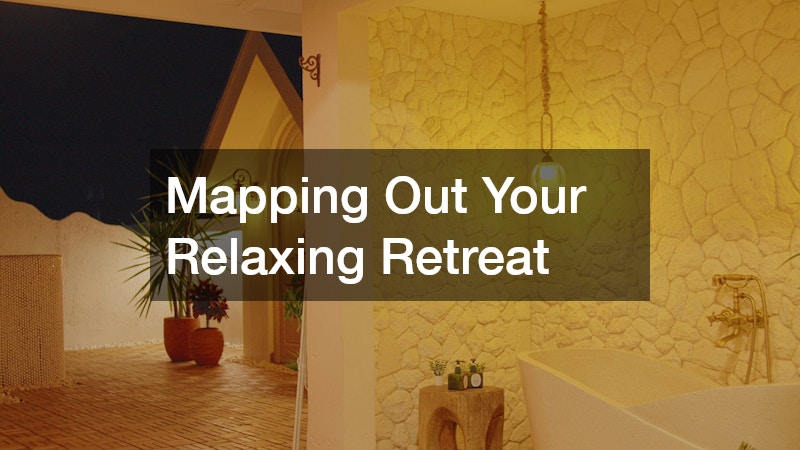
The foundation of any successful bathroom transformation lies in meticulous spatial planning. Before you even look at paint swatches or fixture catalogs, you must understand the physical constraints and possibilities of your space. A true spa environment feels airy, uncluttered, and effortlessly navigable.
Assess Your Current Footprint and Traffic Flow
The first step in planning is taking a hard, objective look at your existing footprint. Does the current layout function well, or do you find yourself bumping into the vanity every time you open the shower? Understanding how you move through the room will dictate whether you can maintain the existing plumbing locations or if a complete gut job is required. Moving major plumbing stacks (particularly the toilet drain) is one of the most expensive aspects of a remodel, but sometimes it is entirely necessary to achieve a spacious, logical flow.
When mapping out the floor plan, focus on creating distinct “wet” and “dry” zones. The wet zone typically encompasses the shower and bathtub, while the dry zone includes the vanity, mirrors, and storage. Separating these areas visually and physically enhances comfort and keeps the space feeling organized. If your current footprint is simply too small to accommodate a spa-like feel, look at adjacent spaces. Can you borrow a few square feet from a neighboring closet or a master bedroom?
Because spatial harmony is so critical to the overall feel of the room, consulting an interior designer early in this phase is highly recommended. A professional can help you see possibilities you might have missed, optimize the traffic flow, and prevent costly layout mistakes before demolition even begins. They understand how to manipulate scale and proportion, ensuring that even modestly sized bathrooms feel expansive and intentionally crafted.
Establish a Focal Point for Tranquility
Every beautifully designed room needs an anchor—a specific element that immediately draws the eye and sets the tone for the entire space. In a standard bathroom, the focal point is often whatever is closest to the door, which is rarely ideal. In a spa-style retreat, you want the focal point to evoke a sense of calm, indulgence, and sophistication.
To achieve this, you need to decide what the star of your room will be. For many, this is a stunning freestanding soaking tub positioned elegantly beneath a large picture window or a skylight. The sculptural curves of a standalone tub immediately signal relaxation and break up the rigid, boxy lines typical of bathroom cabinetry. If you are not a bath person, your focal point could be a massive, glass-enclosed walk-in shower featuring a beautiful accent wall of intricately patterned tile, a built-in bench, and dual rain showerheads. Alternatively, it could be a custom-built floating vanity crafted from rich, natural wood, set against a backdrop of floor-to-ceiling textured stone.
Establishing a striking, intentional focal point is a recognized hallmark of any successful luxury home renovation, as it elevates the room from a basic utility space to a bespoke architectural environment. Once you have determined your focal point, the rest of the room’s design should subtly support it, with secondary elements taking a visual backseat so the primary feature can truly shine.
Selecting Calming, High-Performance Surfaces
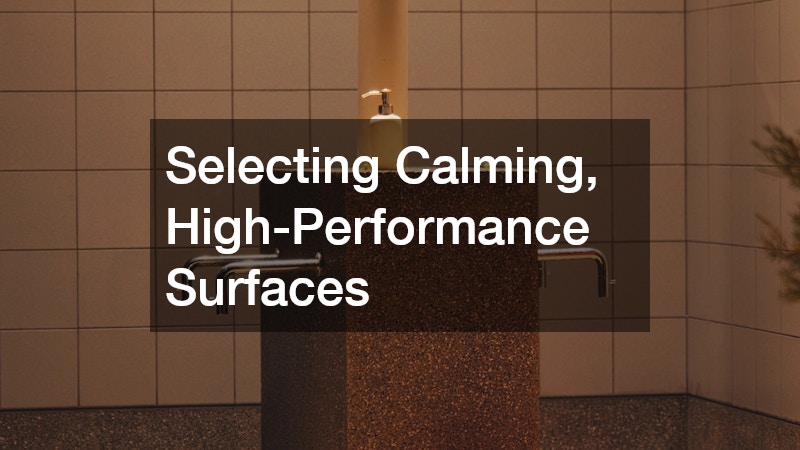
The materials you choose for your bathroom’s surfaces play a dual role: they must withstand extreme moisture and temperature fluctuations while simultaneously evoking a natural, grounding, and serene aesthetic. The tactile experience of these surfaces is just as important as their visual appeal.
Prioritize Slip-Resistance and Warmth Underfoot
A spa bathroom should engage the senses in a comforting way, and that starts from the ground up. The flooring you select will dictate the safety and the physical warmth of the room. When dealing with wet environments, safety must be the priority. High-gloss tiles may look sleek, but they become dangerously slippery when wet. Instead, you should prioritize materials with a high Dynamic Coefficient of Friction (DCOF).
-
Matte Finishes: Opt for matte or honed finishes on floor tiles. They provide better traction and also hide water spots and smudges much better than polished surfaces.
-
Textured Stone: Natural stones like tumbled travertine, river rock, or textured slate offer excellent grip and bring a beautiful, organic element into the space.
-
Radiant Floor Heating: To truly replicate a high-end spa, install an electric radiant heating system beneath the tiles. Stepping out of a hot shower onto a warm floor is a luxury that drastically improves the comfort of the space, especially in colder months.
To ensure you are making the right choice, it is always best to visit local tile stores in person rather than ordering samples exclusively online. Seeing the materials under different lighting conditions and physically feeling the textures will help you accurately gauge the color undertones and the slip-resistance before you commit to a massive purchase.
Opt for Low-Maintenance, Moisture-Resistant Materials
While the aesthetic of natural marble is undeniably gorgeous, it is highly porous and requires rigorous, ongoing maintenance to prevent staining and water damage. In a room designed for relaxation, you do not want to be stressed about maintaining the surfaces. Fortunately, modern manufacturing has created incredible alternatives.
High-quality porcelain tiles can now mimic the look of marble, wood, and concrete with astonishing realism, but they are completely impervious to water and require zero sealing. When selecting your surfaces, also consider the grout. Standard cement-based grout is porous and can harbor mold if not rigorously cleaned. Upgrading to an epoxy grout will provide a stain-proof, waterproof barrier that keeps your floors and walls looking pristine with minimal effort.
Beyond the visible surfaces, the materials used beneath the tile are what truly protect your investment. Utilizing professional flooring services is critical here. These experts know how to install proper waterproofing membranes (like the Schluter-Kerdi system), ensure perfectly sloped shower pans so water drains efficiently, and execute flawless, narrow grout lines. A beautiful tile job will quickly be ruined if the foundational waterproofing is compromised, so this is not an area to cut corners.
Engineering the Ultimate Water Experience

A spa-style bathroom is ultimately defined by the quality of the bathing experience. It is not just about the fixtures you install, but how you interact with the water, the spatial openness of the shower area, and the actual chemical composition of the water itself.
Create a Seamless Transition with Frameless Enclosures
One of the most effective ways to make a bathroom feel significantly larger, brighter, and more luxurious is to eliminate visual barriers. Traditional shower enclosures with heavy metal frames, frosted glass, or bulky sliding tracks chop the room into smaller visual segments.
To achieve a seamless, expansive look, transition to a curbless shower design paired with a frameless enclosure. A curbless shower means the bathroom floor continues straight into the shower without any raised threshold to step over. This requires the floor beneath the shower to be structurally lowered during construction to accommodate the drain slope, but the result is a sleek, continuous plane that is both modern and highly accessible.
Pairing a curbless design with a custom-cut glass shower door maximizes this effect. The thick, tempered, frameless glass becomes practically invisible, allowing natural and artificial light to flow freely throughout the entire room. This minimalist aesthetic highlights your beautiful tile work inside the shower and makes the overall footprint of the bathroom feel unconfined and open, precisely like a luxury spa.
Upgrade Your Water Quality for Healthier Skin and Hair
A true spa experience focuses heavily on tactile sensations and bodily wellness. You can install the most expensive, technologically advanced rain showerhead on the market, but if the water flowing through it is harsh and full of minerals, the experience will fall short. Hard water, which is common in many municipalities, contains high levels of calcium and magnesium.
The effects of hard water are detrimental to both your body and your bathroom’s infrastructure. It leaves a stubborn, chalky scale buildup on your beautiful new fixtures, etches glass enclosures, and makes it difficult for soaps and shampoos to lather properly. More importantly, hard water strips natural oils from your skin and hair, leaving you feeling dry and itchy after a shower—the exact opposite of a spa treatment.
To combat this, look into integrating water softener systems into your home’s plumbing framework. By removing these harsh minerals, the water becomes noticeably silkier and gentler. Your skin will retain its moisture, your hair will feel softer, and your plumbing fixtures will remain free of damaging limescale, preserving the pristine look of your new bathroom for years to come.
Setting the Mood with Lighting and Details
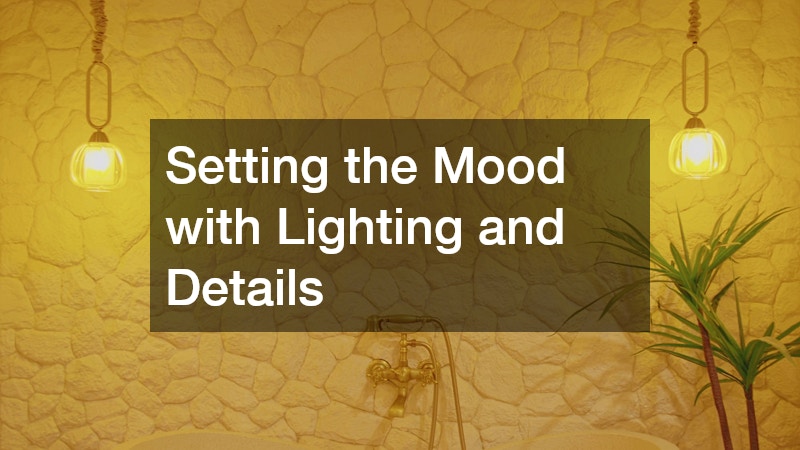
The atmosphere of a room is heavily dictated by lighting and the small, tactile details that tie the design together. In a spa bathroom, harsh overhead glare and mismatched fixtures will instantly ruin the tranquil vibe you are trying to cultivate.
Layer Your Lighting for Task and Relaxation Modes
Lighting in a bathroom must be highly adaptable. You need bright, clear light for morning routines like shaving or applying makeup, but you also need soft, warm light for unwinding in the tub at the end of a long day. Achieving this requires a layered lighting approach.
-
Ambient Lighting: This is your general, overall illumination, usually provided by recessed ceiling lights.
-
Task Lighting: This is focused lighting at the vanity. Avoid single overhead lights that cast harsh shadows on your face. Instead, place vertical sconces on either side of the mirror at eye level to provide even, flattering illumination.
-
Accent Lighting: This is where the spa feel comes alive. Consider installing waterproof LED strip lighting in the shower niches, under the toe-kick of a floating vanity, or in a cove ceiling to create a soft, indirect glow.
Crucially, every single light source in the bathroom should be installed on an adjustable dimmer switch. Color temperature also matters; aim for bulbs in the 2700K to 3000K range, which emit a warm, inviting light rather than a clinical, cool white. Because wet environments pose significant safety risks, absolutely avoid DIY electrical work. Always hire licensed local electrical installers to ensure that all fixtures have the correct IP (Ingress Protection) ratings for wet zones and that the entire system is strictly code-compliant and safely grounded.
Unify the Space with Cohesive Finishes
The finishing touches—the drawer pulls, the towel bars, the faucets, and the hinges—are the jewelry of the bathroom. To maintain a serene, uncluttered environment, these details must be cohesive. A chaotic mix of finishes can make the space feel disjointed.
When selecting your metal finishes, consider the overall mood. Polished nickel offers a warm, luxurious shine; matte black provides a crisp, modern contrast; and brushed brass introduces an earthy, vintage warmth. While you can mix metals intentionally (for example, pairing matte black hardware with brushed brass light fixtures), it requires a careful eye. Generally, keeping your plumbing fixtures uniform is the safest route to a cohesive look.
Furthermore, focus on the tactile quality of these elements. You interact with your faucets and cabinet handles every single day. Upgrading these items makes a massive psychological difference. Source your fixtures from dedicated, specialized hardware supplies to guarantee you are getting solid brass or stainless steel construction. These premium pieces have a satisfying, heavy feel and utilize highly durable finishing processes (like PVD coating) that resist tarnishing and scratching much better than the lightweight, plastic-filled alternatives often found at big-box home improvement stores.
Executing the Vision Safely and On Budget

The final hurdle in creating your dream bathroom is the actual construction phase. A brilliant design concept can quickly devolve into a nightmare if the execution is poorly managed. Assembling the right team and preparing for the financial realities of remodeling are vital steps to ensure your project crosses the finish line successfully.
Vet Professionals Before Demolition Begins
Bathroom remodeling is incredibly complex because it involves multiple trades—plumbing, electrical, tile setting, drywall, and cabinetry—all working within a very confined space. The success of your project hinges entirely on the competence of the people you hire.
Take the time to thoroughly interview potential tradespeople before a single wall is demolished. Ask for proof of up-to-date licenses, general liability insurance, and workers’ compensation coverage. A reputable professional will have absolutely no problem providing this documentation. Furthermore, ask to see a portfolio of their past work, specifically looking for projects that mirror the high-end, spa-like aesthetic you are aiming for. Look closely at the details in their photos: Are the tile grout lines perfectly straight? Are the silicone joints around the tub neat and minimal?
Because of the specialized waterproofing and plumbing requirements, choosing a dedicated bath remodeling company is often a safer bet than hiring a general handyman. Specialized companies understand the critical nuances of wet-zone construction, from installing linear drains to applying liquid waterproofing membranes, ensuring that your beautiful new space doesn’t harbor hidden leaks that will destroy the framing a year down the road.
Establish a Realistic Timeline and Contingency Fund
One of the most common sources of stress during a renovation is unrealistic expectations regarding time and money. A full-scale bathroom remodel, especially one involving moving plumbing or structural changes, takes time.
-
Permitting and Sourcing: Acquiring the necessary city permits and waiting for custom materials (like specifically sized glass or imported tile) to arrive can take weeks before construction even starts.
-
The Unknowns: Bathrooms are notorious for hiding nasty surprises behind the drywall. Once the demolition crew opens up the walls and floors, it is incredibly common to discover outdated, corroded galvanized pipes, mold, or rotting floor joists from a slow, years-old leak. These issues must be fixed before new materials can be installed.
To protect yourself from the stress of unexpected costs, it is mandatory to establish a contingency fund of roughly 15% to 20% on top of your initial budget. This financial buffer ensures that if a hidden plumbing disaster is uncovered, you can afford to fix it properly without having to compromise on the design elements you love. Partnering with a highly experienced home remodeling contractor will alleviate much of this anxiety. A seasoned pro will be transparent about the potential for delays, will manage the complex scheduling of various trades, and will help you build a realistic, step-by-step timeline that minimizes the disruption to your daily life.
Conclusion
Designing and building a spa-style bathroom is a multifaceted journey that requires careful forethought, an understanding of spatial dynamics, and a commitment to quality materials. While the process involves navigating numerous logistical challenges—from perfecting the plumbing layout to managing the construction timeline—the final outcome is far more than just a home improvement project. It is a profound investment in your daily mental and physical well-being.
By prioritizing sensory details like the tactile warmth of slip-resistant floors, the expansive feel of frameless glass, and the calming ambiance of perfectly layered lighting, you elevate a purely functional room into a personalized retreat. Do not rush the planning phase. Take the time to gather inspiration, consult with seasoned professionals, and carefully consider how each material will look, feel, and perform over time. The effort you put into the details now will yield a space that serves as your private sanctuary for decades. Start building your mood boards, outline your priorities, and take that exciting first step toward transforming your everyday routine into a luxurious, restorative experience.