In recent years, sewer pipe lining technology has gained attention as a promising solution for repairing aging infrastructure. This article provides comprehensive insights to assist homeowners and contractors in making informed decisions.
What is Sewer Pipe Lining Technology?
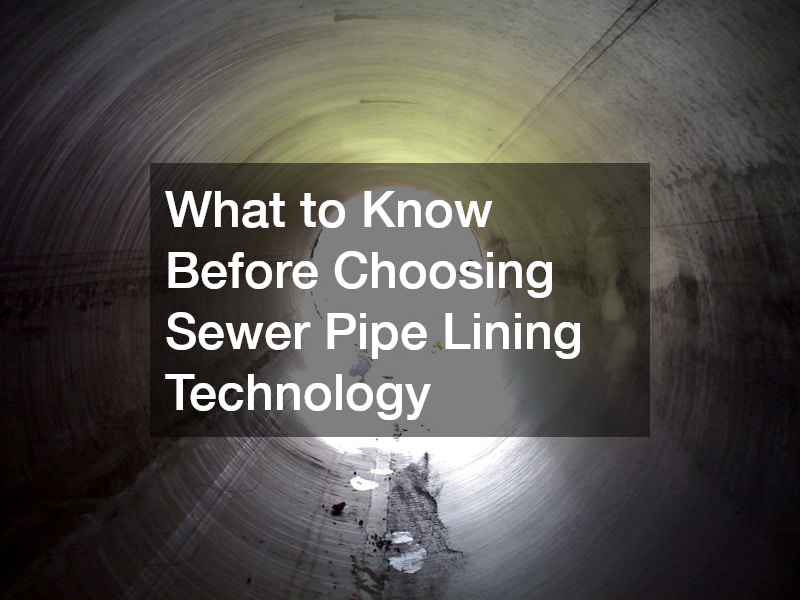
Sewer pipe lining technology is an innovative method of repairing old, leaking, or damaged pipes without the need for extensive excavation. It involves inserting a flexible tube coated with resin into the existing pipe.
This method is not only less invasive but also environmentally friendly, as it reduces the amount of waste and disturbance associated with traditional pipe replacement. Many municipalities and homeowners are turning to this solution due to its efficiency and long-term effectiveness. As the technology has evolved, various systems and materials have been developed, making it a versatile solution for different types of pipes and issues.
The key benefit of sewer pipe lining technology is its ability to rehabilitate existing pipelines with minimal disruption. Since it does not require large-scale digging, it reduces labor costs and is quicker to complete compared to traditional methods. This efficiency in the process also translates to substantial cost savings, particularly in urban areas where excavation can be difficult and expensive. Furthermore, the cured-in-place pipes (CIPP) used in the lining process have shown to enhance the pipe’s structural integrity and prolong its lifespan significantly. These advantages make sewer pipe lining a preferred choice for many infrastructure projects.
Additionally, sewer pipe lining technology is adaptable, catering to pipes of various diameters and lengths. The materials used in the lining process, typically polyester, fiberglass, or epoxy resins, are selected based on the specific requirements of the pipe and environmental conditions. This adaptability is vital for addressing the diverse needs and challenges of different sewer systems. It’s important for decision-makers to evaluate these factors when considering pipe lining options, ensuring the selected technology aligns with the specific demands of their infrastructure. Thorough assessment and planning ahead can maximize the technology’s benefits and service life.
How Does the Pipe Lining Process Work?
The pipe lining process begins with a thorough inspection of the existing sewer pipe using closed-circuit television (CCTV) to identify the exact locations of damage and obstructions. This step is crucial in determining the appropriate approach, as it provides a clear picture of the pipe’s condition and guides the subsequent cleaning and preparation procedures. After inspection, the pipe is cleaned using mechanical or hydro-jetting techniques to remove debris and build-up. Ensuring the pipe is free of blockages is essential for the successful installation of the liner.
Once the pipe is prepared, the next step involves inserting the resin-coated liner into the pipe. This liner is typically inverted into place using air pressure or water, depending on the specific method and equipment used. Upon insertion, the liner is expanded to fit snugly against the pipe walls, creating a new inner surface within the existing pipe. The resin is then cured, either through exposure to hot water, steam, or ultraviolet light, depending on the resin type and curing requirements.
The curing process solidifies the liner and forms a continuous, jointless pipe within the old pipe, enhancing its structural integrity. The final step is a post-installation inspection to ensure that the liner has been installed correctly and there are no residual issues or imperfections. This cohesive internal restoration eliminates weaknesses like cracks and holes and substantially extends the pipe’s service life. With skilled execution and the right materials, the pipe lining process transforms compromised infrastructure into reliable and durable conveyance systems.
What Are the Costs Involved?
The costs associated with sewer pipe lining technology can vary significantly based on several factors, including the length and diameter of the pipe, the extent of damage, and the resin materials used. Generally, pipe lining offers cost savings compared to traditional excavation and replacement methods due to reduced labor costs and project duration. While the initial investment for pipe lining might appear high, the long-term savings from increased pipe life and minimized infrastructure damage can make it a cost-effective choice.
One factor impacting cost is the complexity of the sewer system and accessibility of the pipes involved. Pipelines located beneath roads or buildings might involve additional coordination and logistical expenses, potentially affecting the overall budget. However, even in complex scenarios, the absence of large-scale excavation results in smaller budgets for restoration and site rehabbing, contributing to the cost efficiency of pipe lining. It is important to obtain detailed estimates and undertake a cost-benefit analysis based on the specific circumstances of each project.
Additionally, varying materials and technologies available influence the overall costs of the pipe lining process. High-quality resins are usually more expensive but offer improved durability and lifespan, while some applications might benefit from simpler, more cost-efficient materials. Decision-makers must weigh the benefits of investing in superior technology against budget constraints. Choosing a reputable contractor with extensive experience in pipe lining can also provide insight and recommendations on achieving the best balance between cost and performance.
How to Choose the Right Contractor?
Selecting the right contractor is crucial for a successful pipe lining project and hinges on multiple factors, including experience, expertise, and reputation. A qualified contractor should have a diverse portfolio demonstrating their capability in handling projects of similar scale and complexity. It’s important to verify their credentials, licensing, and insurance to safeguard against potential liabilities. Seeking references and reviews from past clients provides valuable insights into the contractor’s reliability and quality of work.
Communication and transparency are key aspects to consider when assessing potential contractors. They should provide clear, detailed proposals outlining the scope of work, timeline, and pricing. An open line of communication throughout the project ensures that stakeholders are informed of progress and any arising issues. Additionally, the contractor should be willing to discuss any specific concerns and offer solutions that satisfy project requirements and budgetary constraints.
Finally, exploring a contractor’s association with manufacturers and understanding their access to high-quality materials and the latest technology can influence the overall outcome. Relationships with reputable suppliers ensure that the appropriate materials are used, enhancing the durability and effectiveness of the pipe lining solution. Educating oneself on the contractors’ methods and technologies can also help identify if they align with the specific requirements of your project. Prioritizing fundamentals like experience, transparency, and access to resources helps secure a favorable project outcome.
What Should I Consider for Maintenance and Durability?
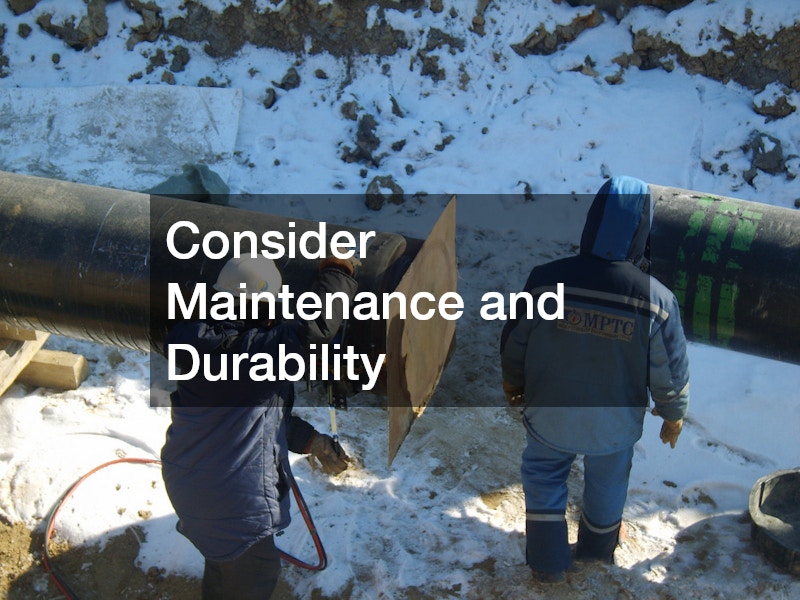
Ensuring long-term performance and durability of lined sewer pipes involves regular maintenance and monitoring to identify and address issues early. This includes periodic inspections, which help in detecting potential problems such as root intrusion or improper flow before they develop into severe issues. As lined pipes are smooth and jointless, they are less susceptible to clogs and blockages compared to traditional pipes, but maintaining vigilance is essential for sustained performance.
An important aspect of maintaining lined sewer pipes is ensuring compatibility with existing systems. Pipe lining materials should be resistant to the substances typically found in the sewerage to prevent degradation. The initial pipe inspection and assessment of surrounding environmental conditions guide the selection of appropriate lining materials. A thorough understanding and management of these factors promote the longstanding effectiveness of the pipe lining.
In addition, it is necessary to consider the impact of external factors such as soil movements and environmental changes on pipe integrity. Investing in a lining solution with proven resistance to these factors can enhance durability. Routine condition appraisals provide data on pipe performance and help in making informed updates and improvements as necessary. By proactively managing maintenance and leveraging advanced technologies, you can extend the life of your sewer systems effectively and sustainably.
Understanding the intricacies of sewer pipe lining technology can significantly impact the success of your repair projects. By considering the above factors, you can ensure a more sustainable and efficient solution for your sewer system needs. Proper planning, selection of the right technology and contractor, and ongoing maintenance are crucial for maximizing the return on investment. Empowered with this knowledge, homeowners and contractors can navigate the complexities of pipe rehabilitation confidently. Choose wisely to protect both your infrastructure and your wallet.